
Introduction
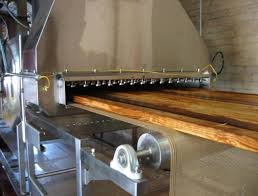
Wood preservation is essential for protecting timber structures from termites, woodworms, fungal decay, and moisture damage. Traditional chemical treatments often work on the surface or require repeated applications. In contrast, microwave-based wood preservation uses physical energy to treat timber from within, making it a highly effective modern solution.
Advanced systems like those developed by Shashel use microwave energy to target pests inside wood while also improving overall timber stability and durability.visit for more details Shashel
What Is Microwave Wood Preservation?
Microwave wood preservation is a process that uses electromagnetic waves to heat moisture inside timber. Unlike surface treatments, microwaves penetrate deep into the wood, affecting internal layers where insects and larvae live.
The key idea is simple:
- Microwaves generate heat inside the wood
- Internal moisture absorbs energy
- Heat destroys pests and weak organisms inside timber
This makes it a non-chemical and deep-action method.
How Microwave Energy Penetrates Wood
Wood is a porous material that naturally contains moisture. Microwave energy interacts with this moisture at a molecular level.
The process works as follows:
- Microwaves pass through the outer surface of wood
- Water molecules inside the wood absorb energy
- Molecules begin to vibrate rapidly
- Heat is generated inside the timber itself
This internal heating is what makes the method highly effective.
How It Kills Insects Inside Timber
Most wood-damaging insects, such as termites and woodworms, live deep inside wood where they are protected from sprays and surface treatments.
Microwave energy helps eliminate them by:
- Raising internal wood temperature rapidly
- Destroying insect proteins and biological structures
- Killing larvae, eggs, and adult insects
- Reaching hidden colonies inside timber
Shashel uses this principle to ensure complete internal pest elimination.
Why Internal Heating Is Important
One of the biggest advantages of microwave treatment is that it heats wood from the inside out. This is critical because:
- Pests live inside, not on the surface
- Surface sprays cannot reach deep tunnels
- Internal heat spreads evenly through wood
- Entire infestation zones are treated at once
This ensures more complete and reliable results.
Effect on Termites and Woodworms
Termites and woodworms are highly sensitive to heat. Microwave energy disrupts their biological systems quickly.
Effects include:
- Rapid dehydration of insects
- Breakdown of cellular structure
- Immediate elimination of larvae and eggs
- Collapse of internal colonies
This makes microwave treatment highly effective for severe infestations.
Moisture Interaction and Drying Effect
Microwave energy primarily interacts with moisture in wood. As heat increases, moisture levels decrease.
Benefits include:
- Reduced internal dampness
- Less fungal growth potential
- Lower risk of future infestation
- Improved wood stability
Dry wood is naturally more resistant to pests and decay.
Structural Safety of the Process
A common concern is whether microwaves damage wood. When properly controlled, microwave treatment is safe for timber structures.
It ensures:
- No burning or surface damage when correctly applied
- Controlled heating within safe limits
- Preservation of wood strength
- No chemical weakening of fibers
Shashel systems are designed to maintain structural integrity while treating infestations.
Advantages Over Chemical Methods
Compared to traditional chemical treatments, microwave wood preservation offers several advantages:
- No toxic chemical residues
- Deep internal penetration
- Faster treatment time
- Effective against all insect life stages
- Eco-friendly operation
This makes it suitable for modern sustainable building practices.
Applications in Real-World Structures
Microwave wood preservation is used in a wide range of environments, including:
- Residential wooden homes
- Roof beams and structural timber
- Antique furniture restoration
- Heritage buildings
- Commercial wooden structures
Its versatility makes it suitable for both small and large-scale projects.
Role in Preventing Future Damage
Beyond killing existing pests, microwave treatment also helps prevent future infestations.
It does this by:
- Reducing moisture levels inside wood
- Destroying hidden breeding sites
- Making wood less attractive to insects
- Improving internal stability
This long-term protection is one of its most valuable benefits.
Limitations and Proper Usage
While highly effective, microwave wood preservation must be applied correctly.
Key considerations include:
- Proper equipment calibration
- Controlled exposure levels
- Skilled operation for safety
- Suitability depending on wood type and thickness
When done professionally, it provides excellent results.
Conclusion
Microwave energy works in wood preservation by penetrating timber, heating internal moisture, and eliminating pests from inside the structure. This makes it a powerful, eco-friendly, and non-toxic alternative to traditional chemical treatments.
Through advanced systems, Shashel uses microwave technology to deliver deep, effective, and long-lasting protection for wooden structures, furniture, and heritage buildings.
By combining internal pest elimination with moisture control and structural safety, microwave wood preservation represents a modern and sustainable approach to protecting timber for the future.