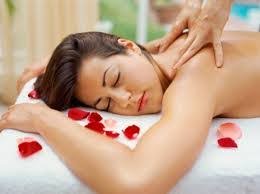
When you step into a top-rated Aroma or Swedish 스웨디시 shop in Korea, you’re not just experiencing a direct import from the West. You’re stepping into a fascinating fusion of techniques—a practice that has been thoughtfully adapted to fit Korean cultural sensibilities, wellness philosophies, and aesthetic preferences.
While the foundation is Swedish massage—with its signature long, gliding strokes (effleurage) and kneading (petrissage)—Korean therapists and spa owners have layered it with uniquely Korean elements. Here’s how they’ve made it their own.
1. The Aesthetic of Serenity (공간의 미학)
Before the massage even begins, the Korean cultural twist is evident in the space itself. Unlike a simple massage room, Korean spas are designed as sanctuaries.
- Immaculate Minimalism: Expect flawless cleanliness, neutral color palettes, natural wood, and soft, ambient lighting. The aesthetic is calm, uncluttered, and deeply soothing, reflecting a modern Korean design philosophy.
- Focus on Privacy: Most high-end shops offer completely private rooms, ensuring an uninterrupted and personal experience. This emphasis on privacy and comfort is paramount.
2. Aromatherapy as an Art Form (아로마의 예술)
In Korea, “Aroma Massage” is often used interchangeably with Swedish massage, but with a heavy emphasis on the therapeutic power of scent.
- Premium, Complex Blends: Instead of a single, simple scent (like just lavender or eucalyptus), Korean spas often use complex, high-quality oil blends. These might include notes of local hinoki cypress, Jeju pine, or other natural elements designed to evoke a specific feeling or “healing” (힐링) effect.
- Scent as a Core Tool: The aromatherapy isn’t just an add-on; it’s an integral part of the treatment’s goal, whether it’s to improve circulation, reduce stress, or promote deep sleep.
3. The Technique Fusion: East Meets West (동서양의 기술 융합)
This is the most significant difference. A Korean “Swedish” massage is rarely just Swedish. Therapists skillfully blend Western techniques with principles from traditional Korean medicine.
- Acupressure Integration: Therapists are trained in the body’s meridian lines and key pressure points (jap-hyul, 잡혈). They will often pause the flowing Swedish strokes to apply firm, focused pressure on these points to release blocked energy and promote deeper healing.
- Targeted “Magma” Release: Koreans have a term for deep, stubborn muscle knots: “magma” (매마). A Korean-style Swedish massage will almost always include targeted work to dissolve this “magma” using a combination of deep tissue pressure and stretching, creating a unique medium-to-firm pressure that is both relaxing and intensely therapeutic.
4. The “Program” Mindset (프로그램화된 경험)
Rather than just choosing a time length, many Korean spas offer curated “programs” or “courses.” This reflects a culture that values structure and results-oriented self-care.
- Goal-Oriented Sessions: You might see options like a “Circulation Boosting Program,” a “Detoxifying Aroma Program,” or a “Traveler’s Fatigue Recovery Program.” Each program has a specific combination of oils, techniques, and focus areas tailored to a desired outcome.
5. The Ritual of After-Service (마무리의 중요성)
The experience doesn’t end when the therapist puts down the oil. The conclusion of the massage is a crucial ritual.
- Warm Tea and Rest: After the massage, you are almost always served a cup of warm, healing tea (often herbal or grain-based) and given a few moments to rest quietly in the room. This allows your body to gradually re-adjust and maximize the therapeutic benefits.
What This Means for You as a Visitor
Understanding this cultural twist enhances the experience:
- Expect Firmness: Don’t be surprised if the pressure is firmer than a classic, relaxation-focused Swedish massage. It’s designed to be therapeutic. You can always ask for softer pressure (조금만 약하게 해주세요).
- Embrace the Scent: Pay attention to the aroma. It’s a key part of the treatment’s purpose.
- Enjoy the Ritual: Savor the post-massage tea and quiet time. It’s considered an essential part of the healing process.
In essence, the Korean adaptation of Swedish massage is a perfect reflection of the country itself: a seamless blend of the global and the traditional, the modern and the holistic, all executed with meticulous attention to detail and a deep respect for the art of wellness.